

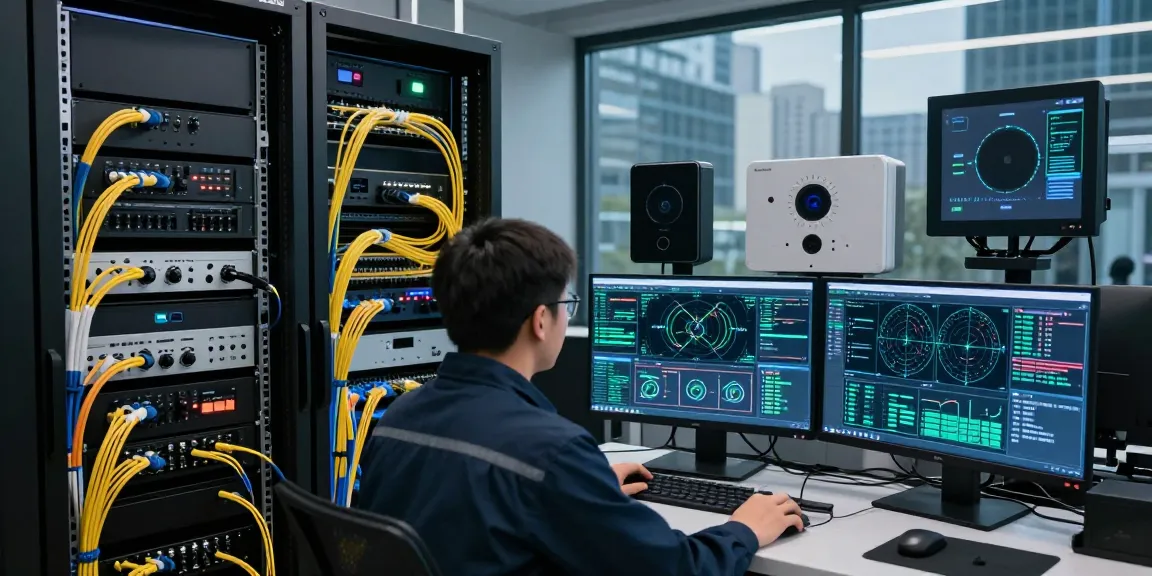
Understanding Fiber Connectivity: A Foundation for Future Networks
In the digital age, fiber connectivity has emerged as the backbone of modern communication infrastructures, driving advancements across various sectors. As organizations increasingly rely on high-speed data transfer and uninterrupted connectivity, understanding the vital role of fiber optics becomes paramount. With applications ranging from telecommunications to artificial intelligence, fiber connectivity is not just about speed; it encompasses reliability, security, and scalability. When exploring options, fiber connectivity provides comprehensive insights that can transform your network capabilities.
What is Fiber Connectivity and Its Importance?
Fiber connectivity refers to the use of fiber optic cables and associated technology to transmit data over long distances at high speeds. Unlike traditional copper cables, fiber optics use light to carry information, resulting in significantly less signal loss and interference. This technology is crucial for supporting the expansive data demands of today’s businesses and innovations, such as cloud computing, streaming services, and IoT applications.
Key Benefits of Fiber Connectivity for Businesses
- Superior Speed: Fiber optic networks offer much higher bandwidth compared to copper, essential for high-definition video conferencing, large data transfers, and real-time applications.
- Enhanced Reliability: Fiber optics are less susceptible to environmental factors, such as electromagnetic interference, which ensures a stable connection.
- Future-Proofing: As technology evolves, fiber networks can easily accommodate increased data traffic without the need for extensive infrastructure updates.
- Cost Efficiency: Although the initial installation may be higher, the long-term benefits include reduced maintenance costs and lower energy consumption.
Common Misconceptions About Fiber Optics
Despite the clear advantages, many organizations remain hesitant to transition to fiber optics due to several misconceptions. One common myth is that the installation process is overly complicated or disruptive. In reality, advancements in technology and installation techniques have significantly streamlined the process. Additionally, some believe that fiber optics are only suitable for large enterprises; however, with scalable solutions available, businesses of all sizes can benefit.
Specifications and Standards of Fiber Connectivity Solutions
Understanding the specifications and standards behind fiber connectivity is critical for ensuring that your infrastructure meets industry requirements and delivers optimal performance.
Overview of Industry Certifications and Compliance
Fiber connectivity manufacturers must adhere to various certifications to ensure product reliability and safety. Key certifications include:
- ISO 9001: Ensures consistent quality management systems.
- TL 9000: Specific to the telecommunications industry, focusing on quality improvement.
- RoHS Compliance: Restricts hazardous substances in electronic equipment, promoting environmental safety.
- ISO 14001: Addresses effective environmental management systems.
Critical Fiber Standards in Today’s Market
The fiber optic market has established standards that all products must meet to ensure performance and compatibility. These include GR-326 and GR-346 compliance, which dictate the requirements for fiber optic connectors and components.
Understanding GR-326 and GR-346 Compliance
GR-326 relates to the performance criteria for fiber optic connectors, while GR-346 outlines the testing methods for optical cables. Adhering to these standards is essential for companies looking to maintain high-quality systems and ensure interoperability across different manufacturers.
Optimizing Procurement with Fiber Connectivity
Effective procurement strategies can significantly impact the overall performance and cost-efficiency of fiber connectivity solutions in your organization.
Streamlining Supplier Relationships for Better Pricing
Establishing strong relationships with suppliers enables businesses to negotiate better pricing and terms, especially when purchasing in bulk. Many firms benefit from signing long-term contracts that secure favorable rates and availability.
Choosing the Right Fiber Solutions for Your Needs
Selecting the appropriate fiber connectivity solutions involves assessing your organization’s specific needs, including bandwidth requirements, scalability, and environmental conditions. Custom assemblies and engineered solutions can provide tailored performance to meet unique demands.
Strategies for Zero-Cost Inventory Management
Managing inventory without additional costs is a significant advantage offered by many fiber connectivity providers. By employing strategies such as Just-In-Time (JIT) inventory and maintaining optimal Min/Max stock levels, companies can avoid overstocking while ensuring availability for critical projects.
Real-World Applications of Fiber Connectivity
The versatility of fiber connectivity enables its use across various industries and applications, illustrating its importance in modern infrastructure.
Success Stories from Leading Companies
Numerous companies have successfully adopted fiber solutions to enhance their operations. For instance, major telecommunications firms like Nokia have implemented fiber technologies to improve network reliability and speed, resulting in superior customer satisfaction.
Innovative Use Cases in AI and Data Centers
In the realm of artificial intelligence, the demand for high-speed data processing requires robust fiber optic systems. AI-driven data centers leverage fiber optics for seamless data transmission, supporting operations such as machine learning and real-time analytics.
Case Studies: Effective Fiber Implementation
Case studies from organizations like Facebook and Ciena demonstrate how effective fiber implementation can lead to significant operational enhancements, including reduced latency and increased data throughput.
The Future of Fiber Connectivity: Trends to Watch
As technology evolves, so too does the landscape of fiber connectivity, driven by emerging trends that will shape the industry in the coming years.
Emerging Technologies Shaping Fiber Connectivity
Key technologies such as Co-Packaged Optics and silicon photonics are gaining traction, offering significant improvements in speed and efficiency. These advancements are crucial for meeting the ever-growing demand for data bandwidth.
Predictions for Fiber Connectivity by 2026
By 2026, predictions indicate a substantial increase in the adoption of fiber connectivity across multiple sectors. Businesses will prioritize high-speed, low-latency connectivity solutions to support an increasingly connected world.
Preparing Your Business for Fiber-Driven Innovations
As organizations prepare for the future, investing in fiber connectivity will be essential. Businesses should focus on upgrading their infrastructure, training staff on new technologies, and exploring partnerships with leading fiber optic suppliers to remain competitive.
What are the benefits of fiber connectivity?
Fiber connectivity offers numerous benefits, including higher bandwidth, improved reliability, and lower maintenance costs, making it a preferred choice for modern businesses.
How does fiber connectivity improve network reliability?
Due to its immunity to electromagnetic interference and lower signal attenuation, fiber connectivity significantly enhances network reliability, reducing downtime and maintenance needs.
What industries benefit most from fiber solutions?
Industries such as telecommunications, healthcare, finance, and data centers particularly benefit from fiber solutions, given their demand for rapid data transfer and reliable communication.
How can businesses optimize their procurement process?
Businesses can optimize their procurement by establishing strong supplier relationships, leveraging bulk purchasing, and implementing effective inventory management strategies.
What are the latest trends in fiber optic technology?
Recent trends include advancements in Co-Packaged Optics, increased adoption of silicon photonics, and the integration of AI-driven applications that demand robust fiber solutions.


