
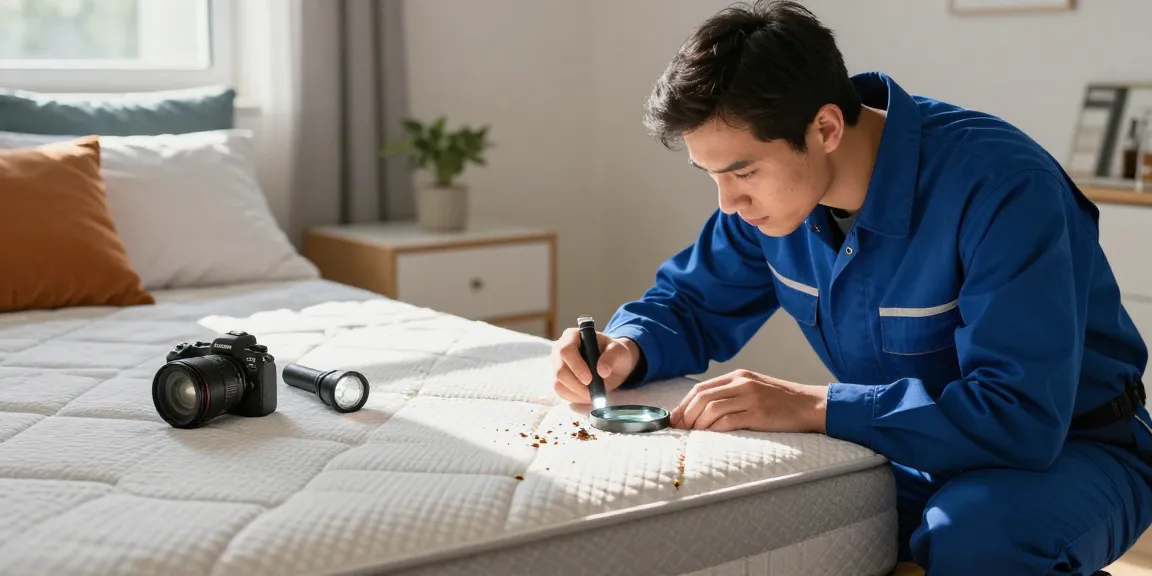
Understanding Bed Bugs: The Basics
Bed bugs are a significant nuisance for homeowners, particularly in urban settings. Understanding these pests and identifying an infestation early is crucial for effective bed bug treatment. They thrive in places where humans sleep, making bedrooms a primary target. Knowing their biology and behavior can help you mitigate and eliminate their presence in your home.
What are Bed Bugs and Their Lifecycles?
Bed bugs, scientifically known as Cimex lectularius, are small, wingless insects that feed on the blood of humans and other warm-blooded animals. These pests can be as small as a pinhead when they hatch, reaching up to 5-7 mm in size as adults. A female bed bug can lay hundreds of eggs in her lifetime, typically around 1-5 a day, which hatch within one to two weeks. The immature bed bugs, or nymphs, require blood meals to grow and molt through five stages before becoming adults.
Common Signs of Bed Bug Infestation
Identifying a bed bug infestation early is vital. Look for signs such as:
- Itchy red welts on the skin, often in clusters or lines.
- Dark spots on bedding or furniture, which are bed bug excrement.
- Small blood stains on sheets from crushed bugs.
- Bed bug shells or exoskeletons, leftover after molting.
- Musty odors from heavily infested areas.
Why Prompt Bed Bug Treatment is Essential
Tackling a bed bug infestation promptly is crucial for several reasons. Firstly, these bugs reproduce quickly. A few can turn into a full-blown infestation in a matter of weeks. Secondly, the psychological distress caused by their presence can disrupt sleep and overall quality of life. Timely intervention can save you from costs associated with extensive damage and treatment over time.
Effective Bed Bug Treatment Options
When it comes to effective bed bug treatment, understanding your options helps you make an informed choice. There are conventional chemical treatments and eco-friendly solutions available.
Comparative Analysis of Chemical vs. Heat Treatments
Chemical treatments utilize insecticides that target bed bugs at various life stages. While effective for residual protection, they often require multiple applications and proper preparation by the homeowner. Heat treatments, on the other hand, use high temperatures to kill bed bugs and their eggs. This method is eco-friendly and eliminates all life stages of the insect in one session, making it popular among homeowners.
Benefits of Eco-friendly Bed Bug Treatment Solutions
Eco-friendly treatments not only protect the environment but also reduce health risks for your family and pets. These methods, such as steam cleaning and heat treatments, are effective against bed bugs without the harmful chemicals associated with traditional pesticides. Many families prefer these solutions for peace of mind and reduced exposure to toxic substances.
Cost Considerations for Bed Bug Treatments
The cost of bed bug treatment can vary significantly based on the level of infestation and the treatment method chosen. Chemical treatments typically range from $300 to $1,500, depending on the size of the infestation and the area to be treated. Heat treatments may have a higher upfront cost but often lead to faster results, potentially saving you money on repeated treatments.
Preparing for Bed Bug Treatment
Preparation is key to successful bed bug extermination. Properly preparing for treatment can maximize its effectiveness and help you return to a pest-free environment more quickly.
Steps to Take Before the Exterminator Arrives
Preparing for an extermination visit can involve several steps:
- Clear areas around beds and furniture to provide the exterminator access.
- Wash all bedding, curtains, and clothing in hot water and dry on high heat.
- Declutter your room to eliminate hiding places for bed bugs.
What to Expect During the Inspection and Treatment
During the inspection, a qualified exterminator will look for signs of bed bug activity and assess the level of infestation. The treatment process may involve sealing the room, applying heat, or spraying compatible insecticides. Expect the treatment to take a few hours, depending on the method chosen and the severity of the infestation.
Post-treatment Guidelines for Homeowners
After treatment, follow the exterminator’s guidelines. This may include waiting a specific period before re-entering treated areas, vacuuming to remove dead bugs, and continuing to monitor for signs of bed bugs. Maintaining cleanliness and reducing clutter will also support long-term prevention.
Preventing Future Bed Bug Infestations
Taking proactive steps can help prevent future infestations. A few simple practices can make all the difference in maintaining a bed bug-free home.
Best Practices for Bed Bug Prevention in Homes
Implement these best practices to keep your home free from bed bugs:
- Regularly inspect and clean sleeping areas, including under beds and behind furniture.
- Use bed bug-proof mattress encasements to trap any existing bugs.
- Avoid bringing second-hand furniture or clothing into your home without thorough inspection.
Travel Tips to Avoid Bringing Bed Bugs Home
Bed bugs are notorious hitchhikers. To avoid bringing them back from travels, follow these travel tips:
- Inspect hotel rooms upon arrival, checking mattresses and bedding.
- Keep luggage off the floor and bed surfaces.
- Upon returning home, wash all clothing and gear promptly.
Regular Maintenance and Monitoring Techniques
Regular monitoring can assist in catching a potential infestation early. Some techniques include using interceptors under bed legs and conducting visual inspections of sleeping areas periodically.
Real-world Case Studies and Success Stories
Understanding real-world examples of successful treatments can provide insight into effective strategies for dealing with bed bugs.
Case Study: Successful Bed Bug Treatment in Milwaukee
A local family in Milwaukee reported a bed bug infestation that was rapidly spreading. After consulting with Affordable Bed Bug Exterminators, they opted for the heat treatment method. The thorough inspection revealed a significant population hidden in their mattress seams. Following the treatment, the family enjoyed a pest-free home, highlighting the effectiveness of this method.
Customer Testimonials on Treatment Effectiveness
Feedback from clients who have undergone treatment can validate its effectiveness. Many clients praise the minimal disruption caused by heat treatments and appreciate the eco-friendly approach provided by Affordable Bed Bug Exterminators.
Lessons Learned from Failed Treatments
Not every treatment yields success. Some clients have reported that insufficient preparation led to lingering infestations. Proper preparation, as outlined earlier, is paramount for the success of any treatment strategy.
FAQs About Bed Bug Treatments
What should I do if I suspect a bed bug infestation?
Contact a professional pest control service as soon as you suspect a bed bug infestation. Early detection and prompt action are critical in preventing a larger issue.
How long does bed bug treatment take to be effective?
Results can vary depending on the method used. Heat treatments typically show immediate results, while chemical treatments may take several days to weeks to observe the full effect.
Are bed bug treatments harmful to pets?
Most professional treatments are designed to be safe for pets when used according to the manufacturer’s instructions. However, consult with your exterminator for specific precautions.
What are the costs associated with professional bed bug treatment?
Costs can vary widely based on the severity of the infestation and the treatment method chosen. Estimates can range from $300 to over $1,500 for comprehensive services.
How can I tell if bed bug treatment worked?
Monitoring for any signs of bed bug activity following treatment is crucial. If you notice bites or see bed bugs again, it may indicate that the treatment was not entirely effective.