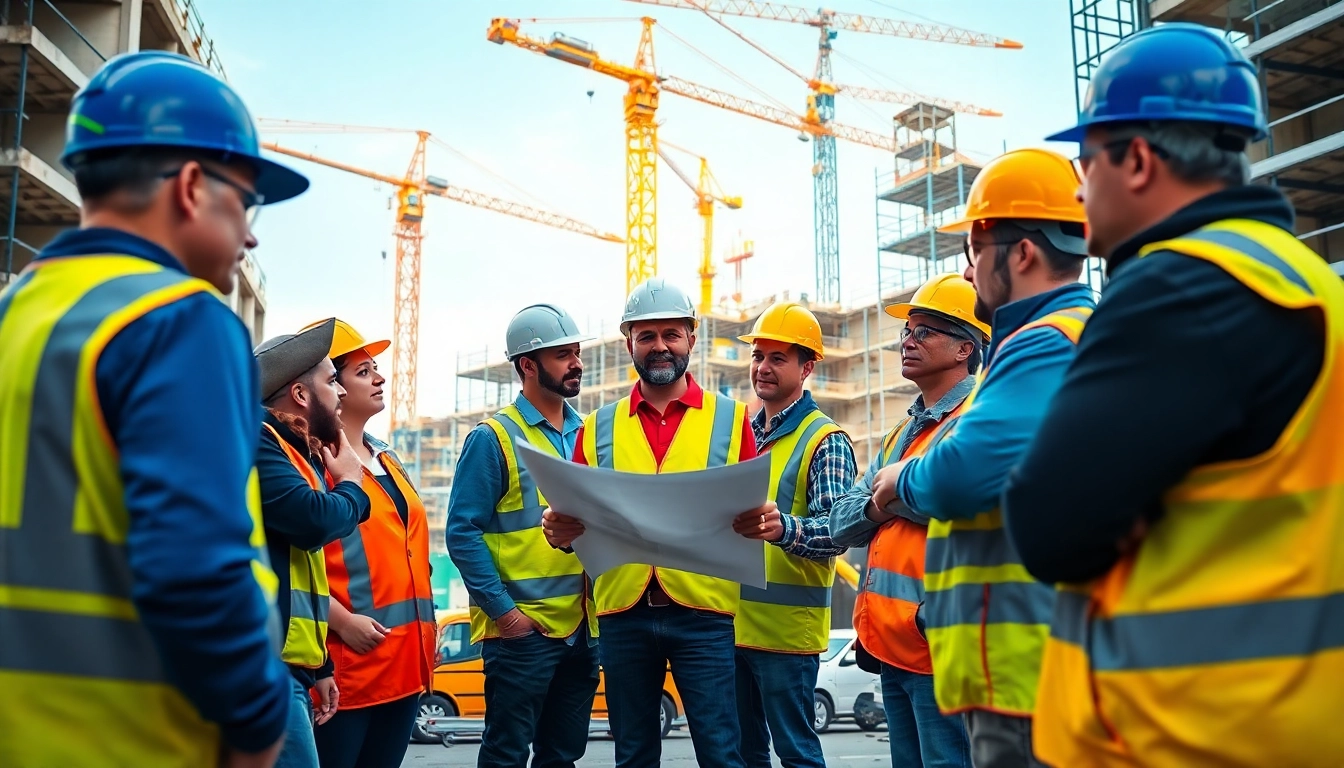

Understanding the Value of Construction Networking Events
What are Construction Networking Events?
Construction networking events are organized gatherings that provide professionals in the construction industry a platform to connect, collaborate, and explore new business opportunities. These events can range from industry conferences, trade shows, seminars, workshops, or informal meetups, specifically aimed at fostering relationships among builders, contractors, architects, engineers, and suppliers. The primary objective is to facilitate meaningful interactions that can lead to partnerships, project collaborations, and shared insights on industry trends.
Benefits of Participation
Engaging in construction networking events offers numerous advantages:
- Business Opportunities: Networking events are fertile ground for discovering new contracts and partnerships.
- Knowledge Sharing: Participants gain access to the latest industry trends and insights through discussions with peers and experts.
- Skill Enhancement: Workshops and seminars often feature training sessions that enhance participants’ technical skills and knowledge.
- Brand Promotion: Being visible at these events can help to increase brand awareness and establish credibility.
- Building Relationships: Forming lasting connections can lead to future collaborations and referrals.
How to Identify Relevant Events
To maximize the benefits of construction networking events, identifying the right ones to attend is crucial. Here are some effective strategies:
- Define Your Objectives: Consider what you hope to achieve, be it finding new clients, learning about innovations, or seeking potential partnerships.
- Research Industry Associations: Many construction industry associations organize events. Membership can provide access to exclusive networks.
- Utilize Social Media: Follow industry leaders and organizations on platforms such as LinkedIn to stay informed about upcoming events.
- Ask Peers: Consult colleagues in your network for recommendations on valuable events they have attended.
Preparing for Construction Networking Events
Setting Clear Goals
Before attending a networking event, it’s vital to set clear and actionable goals. Ask yourself what you want to accomplish: Are you looking to meet specific individuals, learn about a particular topic, or expand your market reach? Aligning your purpose with event activities can significantly enhance your experience.
Essential Preparation Steps
Preparation is key to effective networking:
- Research Participants: Familiarize yourself with key speakers, attendees, and exhibitors.
- Develop Your Agenda: Create a schedule of sessions, workshops, or meetings you want to attend.
- Practice Active Listening: Prepare questions and topics you can discuss, but also be ready to listen to others.
Creating Effective Networking Materials
Your networking materials should reflect your brand and professionalism. Consider the following:
- Business Cards: Always have updated business cards on hand that clearly communicate your role and contact information.
- Portfolio Samples: If relevant, bring samples of your work or project case studies that showcase your skills.
- Digital Presence: Ensure your LinkedIn profile and other professional social media accounts are up-to-date.
Effective Networking Strategies
Building Meaningful Connections
To form meaningful connections, approach networking with a relationship-building mindset. Engage others with genuine enthusiasm and interest in their work. Here are strategies to deepen your connections:
- Be Authentic: Authenticity breeds trust; show your personality and let discussions flow naturally.
- Offer Help: Find ways to assist others without expecting something in return; this fosters goodwill.
- Follow Up: After the event, reach out to new contacts with a personalized message reflecting on your conversation.
Utilizing Social Media for Networking
Leveraging social media can amplify your networking success. Utilize these platforms:
- Engage Pre-Event: Join discussions and engage with attendees or speakers via platforms like LinkedIn.
- Live Tweet Insights: During events, tweet or post insights that offer value, increasing your visibility.
- Share Knowledge Post-Event: Write articles or updates sharing your takeaways, which adds value to your network.
Following Up After Events
Follow-up is crucial in solidifying the connections made. Consider these strategies:
- Email Follow-Up: Send a thank-you email expressing appreciation and referencing your discussion.
- Connect on Social Media: Add new contacts to your professional networks to maintain the relationship.
- Schedule Meetings: For key connections, propose a coffee chat or virtual meeting to continue discussions.
Showcasing Your Skills at Construction Networking Events
Elevator Pitches that Work
An effective elevator pitch can make a significant impression. Essential tips for crafting a compelling pitch include:
- Keep It Brief: Aim for 30-60 seconds highlighting your expertise, services, and what makes you unique.
- Tailor Your Message: Adapt your pitch based on your audience to ensure relevance.
- Engage Emotionally: Share a brief story or experience that resonates, making you memorable.
Presenting Your Work Effectively
When showcasing your work, clarity and confidence are paramount. Strategies include:
- Use Clear Language: Avoid jargon; present your concepts in an accessible manner.
- Focus on Impact: Highlight the outcomes and impacts of your projects rather than only processes.
- Prepare to Address Questions: Anticipate questions and feedback, facilitating an engaging discussion.
Leveraging Visual Aids
Visual aids can significantly enhance your presentations and discussions. Consider using:
- Infographics: Simplify complex data into visual formats that illustrate key points.
- Digital Portfolios: Compiling digital work samples creates an engaging showcase.
- Slide Decks: Use concise and visually appealing slides to support your verbal presentation.
Measuring Success and Impact
Key Performance Indicators for Networking
To assess the effectiveness of your networking efforts, track these key performance indicators (KPIs):
- New Connections: Count the number of new contacts made during the event.
- Follow-Up Rate: Monitor how many contacts you successfully follow up with post-event.
- Conversion Rate: Measure how many of these connections lead to actual business opportunities.
Gathering Feedback from Participants
Gathering feedback can provide valuable insights for improving future participation:
- Surveys: Conduct surveys to ask specific questions about the networking experience.
- Informal Conversations: Engage in discussions with fellow participants about their thoughts on the event.
- Analyze Results: Summarize feedback to identify trends or areas for improvement.
Adjusting Future Strategies
Continuous improvement requires reflection and adaptation. Consider these adjustments for future events:
- Refine Goals: Based on feedback, adjust your objectives for attending future events.
- Upgrade Materials: Enhance your networking materials and strategies based on what resonates.
- Expand Networks: Seek out a diverse range of attendees to broaden your opportunities.
FAQs
What are the main types of construction networking events?
The main types include industry conferences, trade shows, workshops, seminars, and informal meetups, each catering to different networking needs.
How can I find local construction networking events?
Research industry associations, follow local groups on social media, and check online event platforms dedicated to construction-related gatherings.
What should I bring to a networking event?
Bring business cards, samples of your work, a notepad, and an open mind to engage actively with others.
How important is follow-up after networking events?
Follow-up is crucial for solidifying connections; it helps maintain relationships and can lead to business opportunities down the line.
Can I attend networking events virtually?
Yes, many events now offer virtual options, making it easier to connect with industry professionals from anywhere.