Introduction to Northern California Wine Country
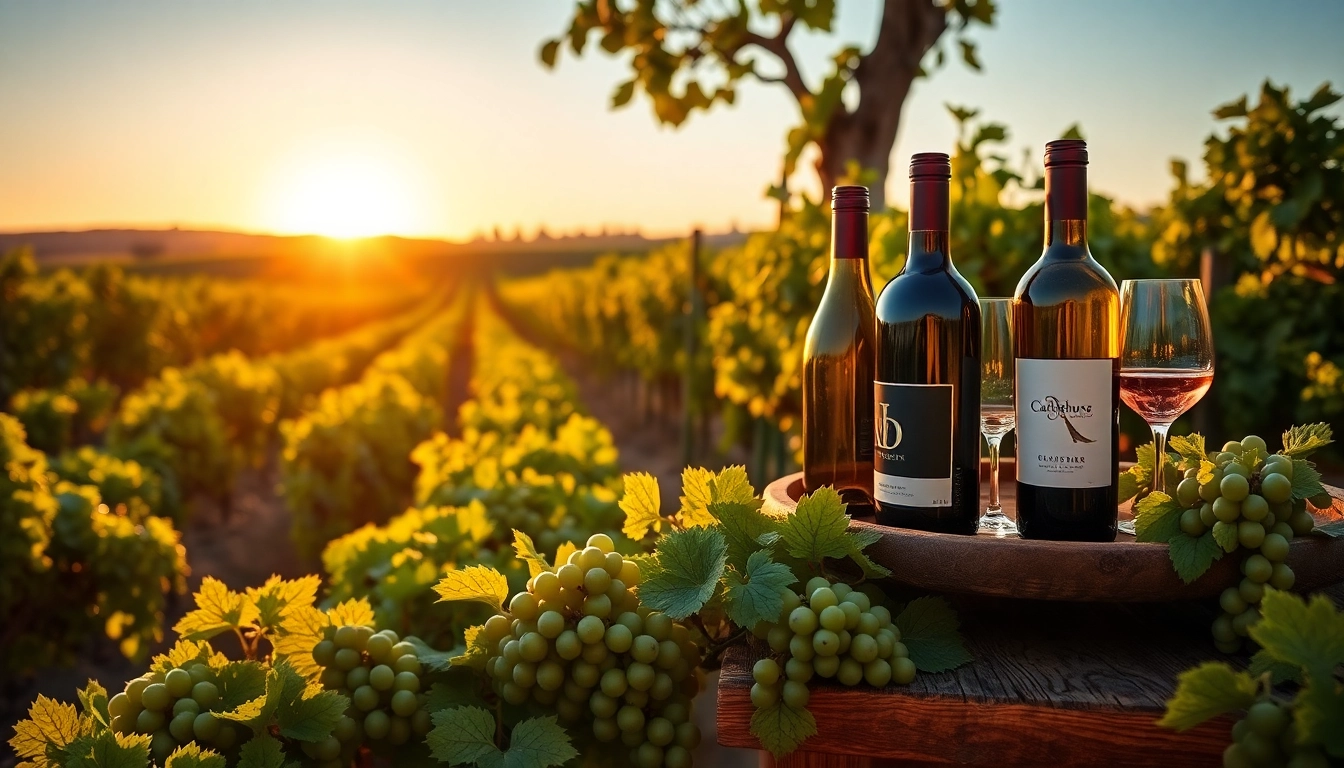
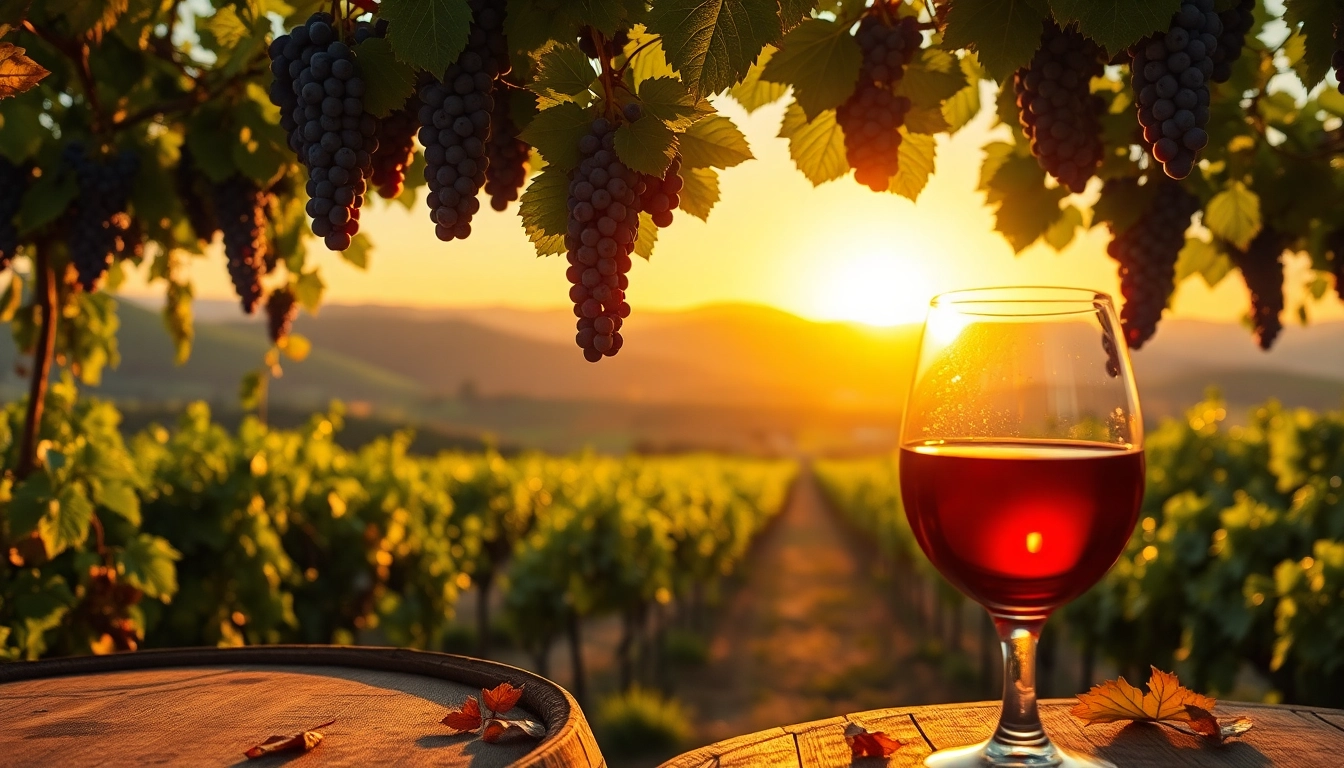
Northern California is a celebrated destination renowned for its breathtaking landscapes, diverse ecosystems, and, most importantly, its prolific vineyards and wineries. The vibrant culture of wine production in this region is as intricate and rich as the wines it produces. With a focus on northern california wine country, we embark on an exploration of its wine regions, history, and unique characteristics that define the quality of its wines.
Overview of the Wine Regions
Northern California is home to several world-class wine regions, primarily Napa Valley and Sonoma County, each providing unique flavor profiles and varietals. Napa Valley is acclaimed for its Cabernet Sauvignon and rich reds, while Sonoma offers a more diverse range, including Pinot Noir and Chardonnay. Other notable regions such as Mendocino, Lake County, and the Sierra Foothills also contribute significantly to the cultural tapestry of wine-making, each with its climatic conditions and terroir.
History and Evolution of Wine Production
The history of wine production in Northern California traces back to the late 18th century with the establishment of missions by Spanish settlers. These early efforts laid the groundwork for future vineyards as European immigrants began to recognize the potential of California’s land for viticulture. Over time, technological advancements and the globalization of the wine industry have transformed the landscape, leading to a diverse array of wines that captivate enthusiasts worldwide.
Importance of Terroir in Wine Quality
Terroir, the unique interaction of soil, climate, and geography in a given area, plays a pivotal role in determining wine quality. In Northern California, the varied climates from the foggy coastal regions to the warmer inland valleys foster distinct wine characteristics. Vintners meticulously select grape varieties based on the terroir, ensuring that the wines truly reflect the “sense of place” that makes them so desirable.
Regions Within Northern California Wine Country
Sonoma Valley: Grapes and Flavor Profiles
Sonoma Valley is often seen as the diverse gem of Northern California wine country, with its diverse topography and climate ranges. Primarily known for its exceptional Zinfandels, Sonoma also excels in producing exquisite Pinot Noir, Chardonnay, and Cabernet Sauvignon. The valley’s cool coastal breezes influence the flavor profiles, resulting in wines with balanced acidity and nuanced flavors that cater to a wide range of palates.
Napa Valley: A Culinary and Wine Experience
Napa Valley is perhaps the most recognized wine region in Northern California, known not only for its high-quality wines but also for its culinary offerings. Home to prestigious wineries and gourmet restaurants, Napa provides an all-encompassing experience for wine lovers. The valley’s high-end Cabernet Sauvignon is often regarded as a benchmark for premium wines globally. Visitors can enjoy vineyard tours combined with exquisite dining experiences that highlight the synergy between local cuisine and exceptional wines.
Santa Rosa and Russian River: Charm and Diversity
The Santa Rosa area and the Russian River Valley are known for their stunning landscapes and rich agricultural heritage, which includes vineyards and apple orchards. The region is particularly famous for its Pinot Noir and sparkling wines, benefitting from the cooler climate and proximity to the river. This area is defined by its smaller, family-owned wineries that often emphasize sustainable farming practices and community engagement, creating a warm and inviting atmosphere for visitors.
Visiting Northern California Wine Country
Best Times to Visit for Wine Tours
The ideal time to experience Northern California wine country is during the harvest season, which typically spans from late summer to early fall. Autumn brings not only a bounty of grapes but also stunning autumn foliage and pleasant weather, making it the quintessential season for wine tours. Spring is another lovely option, with blooming vineyards and fewer tourists, providing a more intimate experience with the winemakers.
Essential Tips for Wine Country Etiquette
When visiting wineries in Northern California, adopting proper etiquette can enhance the experience for both you and the staff. Always make a reservation where required, and arrive on time. It’s courteous to engage with staff, ask questions, and show appreciation for their work. If purchasing a bottle, it’s also good practice to refrain from carrying outside food and beverages into the tasting room. Lastly, always designate a sober driver, especially after tastings.
Recommended Wineries to Experience
With a plethora of wineries in Northern California, choosing where to visit can be overwhelming. However, several standout options include Opus One Winery in Napa, known for its Bordeaux-style wines; Jordan Vineyard & Winery in Sonoma for its picturesque estate; and the smaller Mary Edwards Winery in Russian River, celebrated for its small-batch wines. Each of these offers unique tasting experiences and insights into their winemaking philosophies.
The Winemaking Process in Northern California
From Vineyard to Bottle: Wine Production Steps
The journey of wine production in Northern California begins in the vineyard, where grape varieties are carefully selected based on the regional terroir. Following the harvest, grapes are sent for crushing and fermentation, where sugar in the grapes is transformed into alcohol. This is followed by aging, where wines develop complexity, either in stainless steel tanks or oak barrels, before bottling, labeling, and distribution.
Organic vs. Sustainable Winemaking Practices
Winemakers in Northern California are increasingly leaning toward organic and sustainable practices, prioritizing the health of the land and ecosystem. Organic farming eliminates synthetic pesticides and fertilizers, while sustainable practices involve responsible land management techniques that ensure long-term vineyard viability. Such practices not only benefit the environment but also enhance the quality of the grapes and, ultimately, the wines produced.
The Role of Climate and Geography
Climate and geography are intrinsic to the uniqueness of Northern California wines. The region’s varied terrain, from coastal ranges to valleys and rolling hills, generates microclimates ideal for cultivating different varietals. The fog from the Pacific Ocean cools the vineyards, particularly in the mornings and evenings, which influences acid development in grapes and contributes to the balancing of flavors, making for distinctive wines.
Future Trends in Northern California Wine Country
Emerging Varietals and Innovation
As the wine industry evolves, producers in Northern California are experimenting with lesser-known varietals besides the traditional Cabernet Sauvignon and Chardonnay. Grapes like Grenache, Vermentino, and Tannat are emerging as popular choices, appealing to adventurous palates. Additionally, innovative techniques in winemaking, such as using concrete eggs or amphora, are gaining traction, influencing the textures and flavors of wines.
Impact of Climate Change on Vine Growth
Climate change poses significant challenges and opportunities for the wine industry in Northern California. Rising temperatures and altered precipitation patterns impact grape ripening and, consequently, flavor development. Winemakers are adapting by selecting climate-resilient varietals, modifying vineyard practices, and employing water conservation techniques to mitigate the risks posed by climate fluctuations.
Community Efforts in Sustainable Winemaking
There’s a growing recognition of the importance of community-driven initiatives in promoting sustainability in the wine industry. Collaborative efforts among vintners, environmental organizations, and local communities are leading to innovative programs focused on conserving resources, protecting local wildlife, and educating consumers. Such initiatives not only preserve the natural environment but also ensure that the cultural heritage of Northern California’s wine country endures.
FAQs
What is the best time to visit northern California wine country?
The best time to visit is during the harvest season, from late summer to early fall.
Are there wine tours available for beginners?
Yes, many wineries offer tours and tastings tailored for newcomers to wine.
Can I purchase wine directly from the wineries?
Most wineries allow direct purchases, and some offer shipping options.
What types of wine are most common in northern California?
Northern California is known for its Cabernet Sauvignon and Chardonnay, among others.
Are there any festivals related to wine in this region?
Yes, there are various wine festivals, especially in the harvest season, showcasing local wines.