Understanding Custom Laser Design
What is Custom Laser Design?
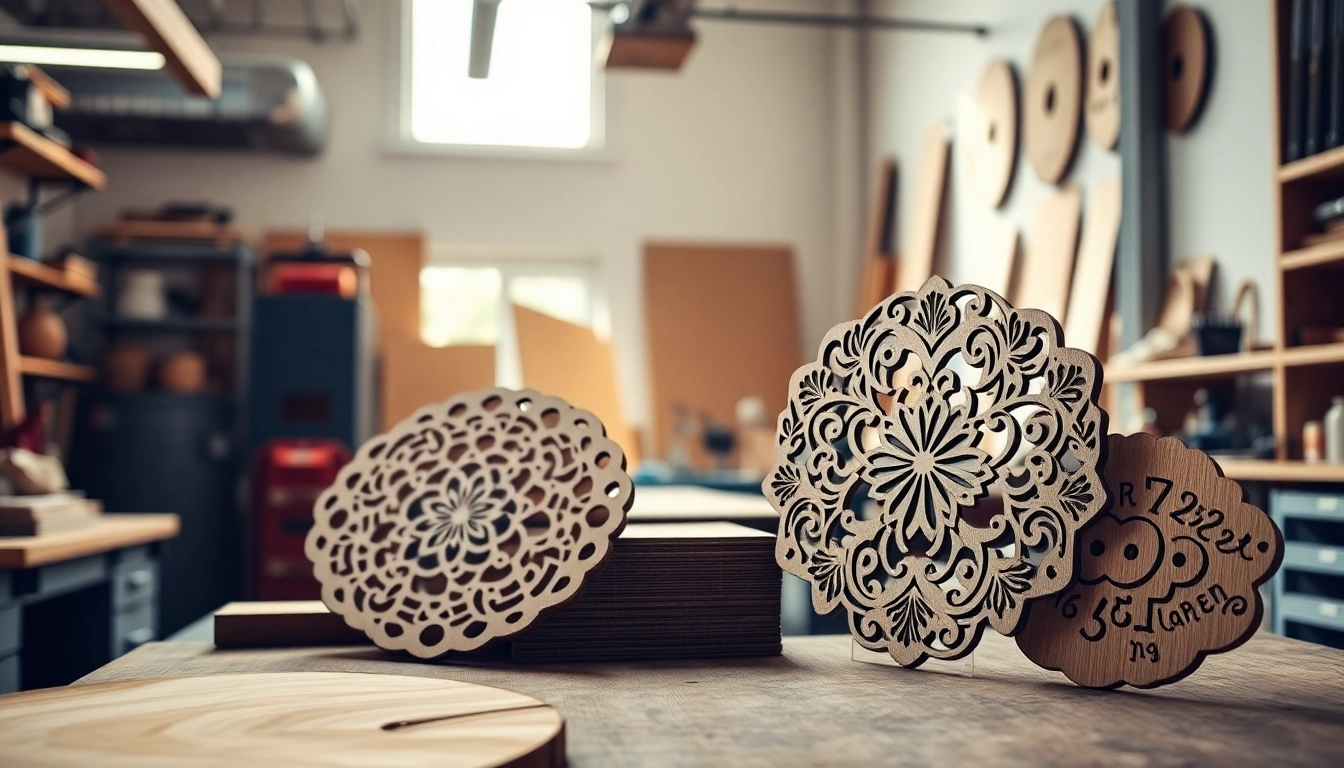
Custom laser design is the process of using laser cutting and engraving technology to create unique, personalized products and decorations. It involves the precision manipulation of materials, allowing designers and creators to develop intricate patterns, logos, or designs that meet specific client specifications. The versatility of laser technology enables the transformation of various materials, including wood, acrylic, fabric, leather, and even glass, into finished products that stand out in both aesthetics and functionality. By harnessing the power of custom laser design, individuals and businesses can achieve high-quality results that are both cost-effective and time-efficient.
The Benefits of Custom Laser Design
The process of custom laser design offers numerous advantages, making it a preferred choice for entrepreneurs, artisans, and professionals across various industries. Here are some key benefits:
- Precision and Detail: Laser technology allows for intricate cuts and engravings with high precision, resulting in products that display fine detail, which manual methods often cannot replicate.
- Material Versatility: Custom laser design can be applied to a wide range of materials, enabling creators to explore unlimited possibilities for their projects.
- Cost-Effective Production: Because laser cutting and engraving is an automated process, it minimizes labor costs and production times, making it economically viable for small and large scale operations.
- Customization: Personalized designs are easy to achieve, allowing businesses to offer unique products that resonate with their targeted audience.
- Sustainability: Laser design minimizes material waste by optimizing cuts to ensure maximum use of the materials, making it an environmentally friendly option.
Applications of Custom Laser Design Across Industries
Custom laser design has applications across numerous industries, each benefiting from precision and personalization. Here are a few notable sectors:
- Manufacturing: Used for creating custom parts and components, enhancing production efficiency.
- Interior Design: Custom laser-cut decorative elements can enhance aesthetics in residential and commercial spaces.
- Fashion: Unique patterns and engravings on fabrics and leather goods allow designers to create standout apparel and accessories.
- Signage: Businesses leverage custom laser design for eye-catching signs, ensuring visibility and branding uniqueness.
- Promotional Products: Companies use personalized laser designs on items such as pens, keychains, and mugs for marketing initiatives.
Essential Tools and Materials
Types of Laser Machines for Custom Designs
Choosing the right laser machine is crucial for achieving desired outcomes in custom laser design. There are several types of laser machines, each offering specific advantages:
- CO2 Lasers: Great for cutting and engravings on non-metal materials like wood, acrylic, and plastic.
- Fiber Lasers: Ideal for metal processing, these machines excel in speed and precision while working with materials like stainless steel and aluminum.
- Diode Lasers: These smaller, lower-power lasers are great for hobbyists and small-scale projects, particularly in engraving applications.
- Hybrid Machines: Combining capabilities of different laser types, hybrid machines offer flexibility for various materials and project types.
Choosing the Right Material for Laser Projects
The material you choose for laser design plays a significant role in the final outcome. Different materials yield different results in terms of precision, aesthetics, and durability. Consider the following when selecting materials:
- Wood: Offers a classic look and is easy to work with; great for detailed engravings.
- Acrylic: Available in various colors and transparency options; often used for signage and decorative pieces.
- Textiles: Ideal for fashion and custom fabric designs; requires specific settings based on fabric type.
- Leather: Durable and stylish; perfect for personalized gifts and fashion items.
- Metal: Provides strength and durability; suitable for tools, industrial applications, and upscale custom items.
Preparing Your Workspace for Optimal Results
Setting up an efficient workspace is key to achieving excellent results in custom laser design. Here are important considerations:
- Ventilation: Ensure proper airflow to eliminate smoke and fumes generated during laser cutting.
- Organization: Keep materials and tools organized for easy access and workflow efficiency.
- Safety Measures: Install safety protocols, such as protective eyewear and fire extinguishers, to minimize risks.
- Lighting: Adequate lighting helps improve accuracy during setup and design processes.
Designing Your First Project
Step-by-Step Guide to Create Custom Laser Design
Starting your first custom laser design project can be exciting yet daunting. Follow these steps to kickstart your creativity:
- Choose Your Project: Identify a design that resonates with you; it could be a sign, jewelry piece, or decorative item.
- Select Material: Based on your design, choose an appropriate material to work with.
- Create Your Design: Utilize design software to draft your project; incorporate measurements and specifications carefully.
- Set Up the Laser: Load your material into the laser machine and configure the settings according to the material type.
- Run the Test: Conduct a test run on scrap material to ensure settings yield the desired results.
- Finalize the Project: Once satisfied with the test, proceed to cut or engrave your final design.
Design Software Options for Beginners
Discovering the right design software can significantly enhance your custom laser design experience. Here are some popular options suitable for beginners:
- Inkscape: A free, open-source vector graphic editor that offers powerful features for laser design.
- Adobe Illustrator: A professional-grade software ideal for detailed design work; it offers a free trial for new users.
- CorelDRAW: Known for its user-friendly interface, making it accessible for creatives at any skill level.
- LightBurn: Specifically designed for laser engraving, it supports a wide range of laser equipment.
Testing and Refining Your Laser Designs
Testing is an integral part of the custom laser design process. Here’s how to effectively test and refine your designs:
- Prototype Testing: Create a prototype to evaluate size, shape, and overall design viability before proceeding.
- Adjust Laser Settings: Fine-tune power and speed settings based on materials and design complexity.
- Seek Feedback: Engage peers or potential customers for feedback on the aesthetics and functionality of the design.
Advanced Techniques in Custom Laser Design
Combining Different Materials in One Design
One of the most exciting aspects of custom laser design is the ability to combine different materials seamlessly. Consider the following techniques for mixing materials:
- Layering: Combine materials with varying thicknesses to create multidimensional pieces.
- Engraving on Different Surfaces: Use contrasting materials for engraving detail, emphasizing stark visual differences.
- Color Integration: Layer colored acrylics or paint on wood to enhance the visual appeal of the final product.
Incorporating Engraving and Etching Techniques
Engraving and etching are excellent for adding intricate details to your designs. Here are ways to incorporate these techniques:
- Settings Adjustment: Modify laser settings to achieve different engraving depths and styles.
- Patterns and Textures: Utilize multiple passes or varied speed settings to create unique textures on surfaces.
- Minimalistic Approaches: Use clean lines and simple text for a modern aesthetic, enhancing visibility and readability.
Tips for Time-Saving Workflows
Maximizing efficiency in your workflow can save time and resources. Here are some strategies:
- Batch Processing: Group similar projects together to move through design phases efficiently.
- Pre-Set Settings: Save configurations for frequently used materials to reduce setup times significantly.
- Regular Maintenance: Keep your laser machine well-maintained to prevent interruptions caused by equipment issues.
FAQs about Custom Laser Design
What materials can be used in custom laser design?
Flexible materials like wood, acrylic, and leather are ideal for custom laser design and can yield stunning results.
How can I get started with custom laser design?
Begin by selecting a laser machine and familiarizing yourself with design software tailored for laser operations.
What safety measures should I follow?
Always wear protective eyewear and ensure proper ventilation when operating a laser machine to maintain a safe workspace.
Can custom laser designs be used for business?
Absolutely, many businesses utilize custom laser design for branding, promotional items, and unique packaging solutions.
How do I choose the right laser engraver for my needs?
Consider factors like material compatibility, size, and the desired precision based on the types of projects you wish to undertake.