
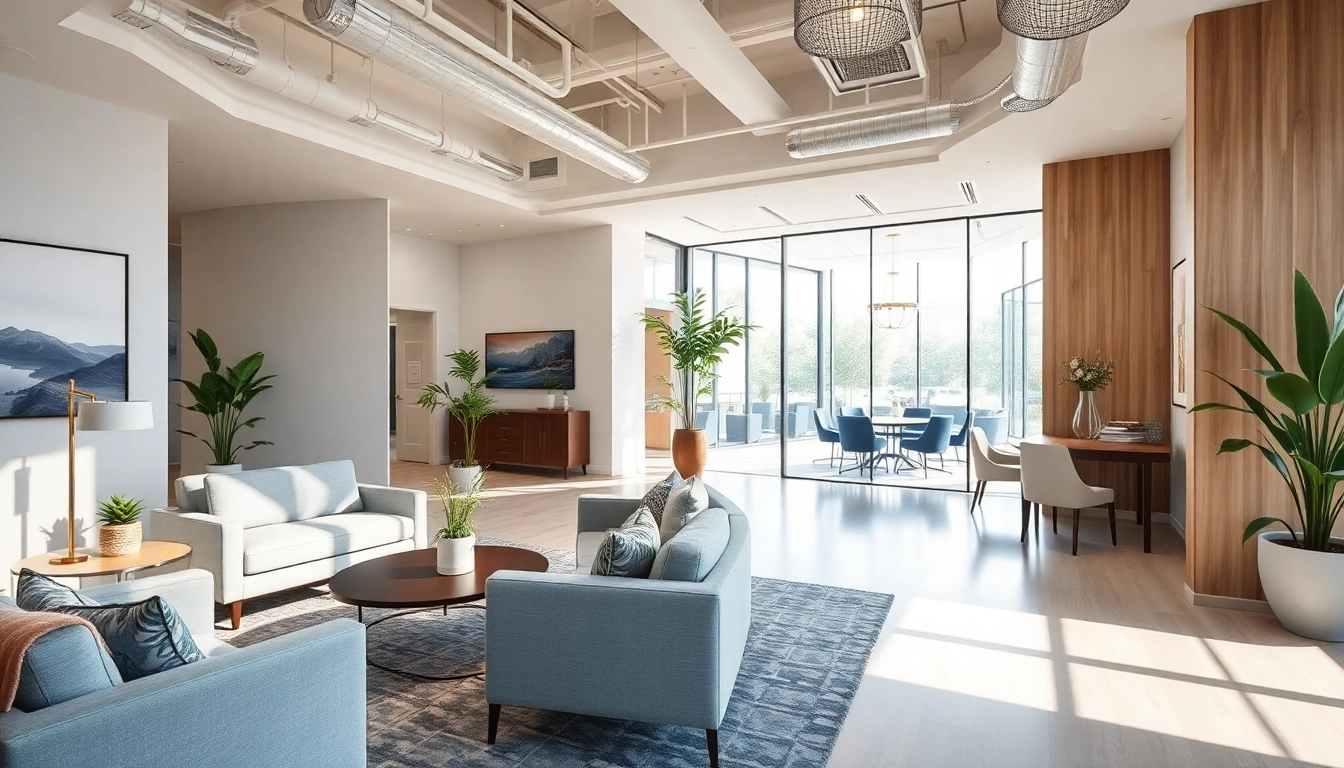
Understanding Commercial Renovation
What Is Commercial Renovation?
Commercial renovation refers to the process of improving or altering existing commercial spaces, including offices, retail stores, restaurants, and more. This transformative project can enhance aesthetic appeal, improve functionality, and ensure compliance with current safety regulations. Unlike residential renovations, commercial renovations often require a more extensive understanding of industry standards, building codes, and project management to minimize disruption to business operations.
Importance of Renovating Commercial Spaces
Renovating commercial spaces is essential for several reasons. Firstly, it can rejuvenate outdated facilities that may be hindering a business’s image or productivity. A modernized workspace attracts customers and talent alike, creating a competitive advantage. Secondly, renovations can improve energy efficiency, leading to cost savings in utility bills. Finally, adapting spaces to the evolving needs of a business, such as incorporating flexible work environments or enhancing customer experiences, is crucial for staying relevant in today’s marketplace.
Common Renovation Projects
Common commercial renovation projects vary widely depending on the type of business and its specific needs. Some popular renovation projects include:
- Office Renovations: Redesigning workspaces to promote collaboration with open layouts and modern conference rooms.
- Retail Space Updates: Enhancing customer engagement with redesigned layouts and updated fixtures.
- Restaurant Overhauls: Improving ambiance with aesthetic upgrades, such as new decor, lighting, and seating.
- Warehouse or Industrial Facility Modifications: Updating storage areas and workflows for better efficiency and safety.
Choosing a Commercial Renovation Company Austin
Key Qualities to Look For
When selecting a Commercial renovation company Austin, it’s crucial to look for a few key qualities. Firstly, ensure that the company has a solid reputation and ample experience in the commercial renovation sector. Client testimonials and a portfolio of past projects can provide insight into their craftsmanship and customer satisfaction. Additionally, the best companies show adaptability in their approach, designing spaces that align with a client’s vision while adhering to budget constraints.
How to Evaluate Potential Companies
Evaluating potential renovation companies involves thorough research and comparison. Start by checking online reviews and industry ratings. Next, request quotes from multiple candidates to compare pricing structures and timelines. Make sure to ask for references from past clients and, if possible, visit completed projects to assess quality firsthand. Finally, verify that the contractors are properly licensed and insured to protect your investment.
Questions to Ask Before Hiring
Prior to finalizing your hiring decision, ensure that you ask the following critical questions:
- What is your experience with projects similar to mine?
- Can you provide a detailed timeline for the renovation?
- How do you handle unexpected issues or changes during the project?
- What are your methods for minimizing disruptions during work?
- Who will be my point of contact throughout the renovation?
Planning Your Renovation Project
Setting a Budget
Setting a realistic budget is one of the first steps in planning your renovation project. Begin by defining the scope of the renovation and identifying all potential costs, including materials, labor, and permits. It’s advisable to allocate at least 10-20% of your budget for unforeseen expenses that might arise during the renovation process. Engaging with your contractor early can also help in realistic budgeting, as they can provide insights based on their experience and knowledge of the current market conditions.
Timeline and Project Management
A clear timeline is essential for a successful renovation project. Collaborate with your chosen company to create a detailed project plan that outlines each phase of the renovation, from initial design to final inspection. Regular check-ins and updates will help keep the project on track and address any issues that arise promptly. Implementing effective project management practices, like using project management software, can streamline the process and provide clearer communication among all stakeholders.
Permits and Regulations
Understanding the necessary permits and regulations for your renovation project is crucial. Depending on the scope, you may need various permits related to zoning, construction, and safety compliance. Collaborate with your commercial renovation company to ensure all necessary permits are secured before any physical work begins. Failure to comply with local regulations can result in significant fines and delays, making this a critical component of planning.
Design Trends in Commercial Renovation
Sustainable and Eco-Friendly Options
Sustainability is a growing trend in commercial renovation, with many businesses seeking to reduce their environmental footprint. Incorporating eco-friendly materials, such as reclaimed wood and low-VOC paints, and energy-efficient lighting solutions can enhance a space’s appeal while being kinder to the environment. Green building certifications, like LEED, can significantly increase a company’s marketability and resonate with environmentally conscious consumers. Integrating such options not only reflects positively on your business but can also lead to long-term savings and energy efficiency.
Technology Integration in Renovations
With advances in technology, integrating smart technology into commercial spaces has become increasingly popular. Features like automated lighting, smart thermostats, and advanced security systems can enhance operational efficiency and improve employee comfort. Furthermore, robust IT infrastructure is crucial for supporting modern business operations, so considering cable management systems and reliable Wi-Fi solutions during renovations is advisable. This trend reflects the growing need for businesses to remain competitive in a tech-driven market.
Creating Collaborative Workspaces
The modern workforce values collaboration and flexibility. Renovating to create collaborative workspaces is becoming critical. Open spaces that encourage teamwork, conference areas that suit various meeting sizes, and lounge areas for informal gatherings are key components of contemporary commercial designs. By prioritizing such spaces, businesses can foster innovation, creativity, and productivity among employees, ensuring a dynamic work environment.
FAQs About Commercial Renovation
What types of businesses can benefit from renovation?
Almost any type of business, from offices to retail, can benefit from renovations to enhance functionality.
How long does a typical renovation take?
The duration depends on project scale but can range from a few weeks to several months for larger spaces.
What should I consider for my renovation budget?
Consider materials, labor, permits, and potential disruptions to your business operations in your budget.
Are there eco-friendly materials available for renovations?
Yes, many materials like recycled panels and sustainable flooring options are available for eco-conscious renovations.
How do I ensure minimal disruption during renovations?
Work with your contractor to create a phased plan that allows part of the business to remain operational.