
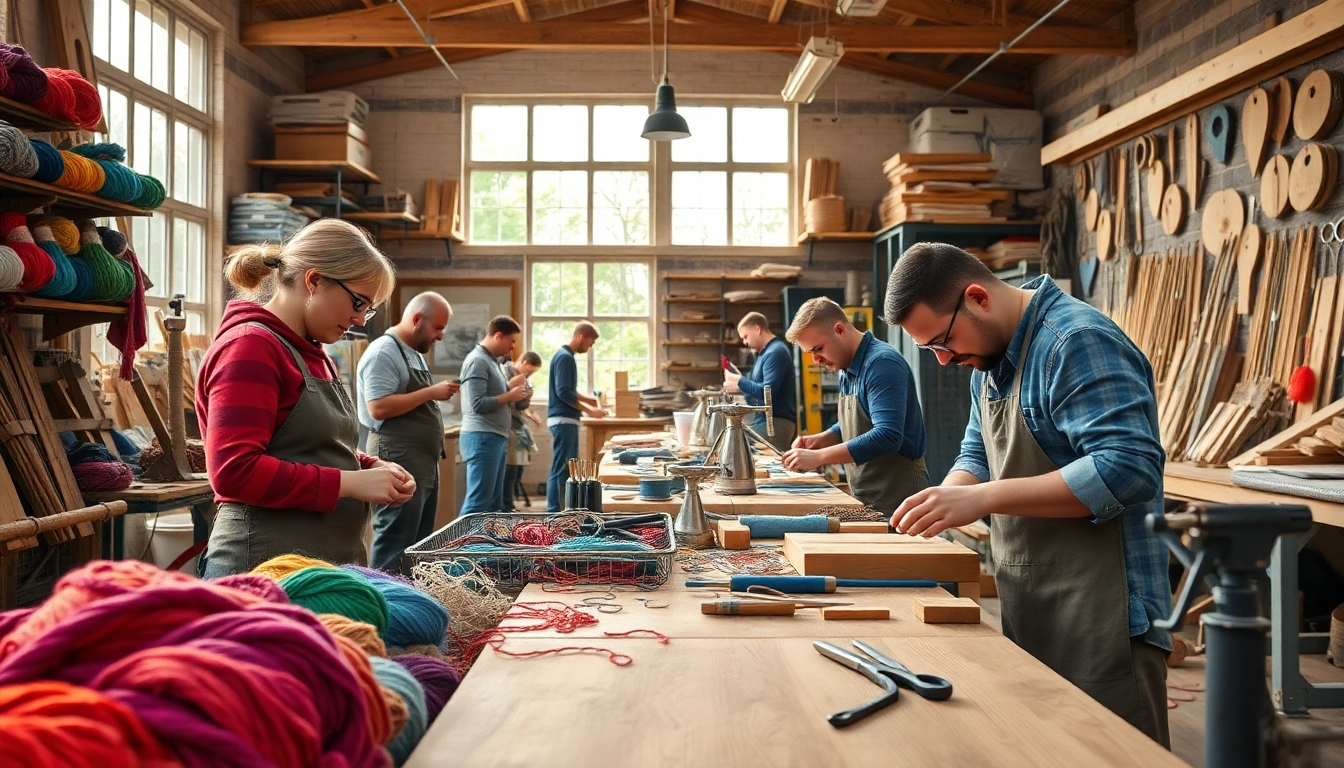
Understanding Craft Training Programs
What are Craft Training Programs?
Craft training programs are specialized educational opportunities designed to teach individuals the skills and techniques necessary for various creative crafts. They encompass a wide range of subjects, from knitting and woodworking to artisanal baking and metalworking. The primary goal of these programs is to foster creativity and enhance hands-on skills, allowing participants to produce tangible results while also expanding their artistic expression.
Whether offered in-person or online, these programs are structured to provide a comprehensive learning experience, including theory, practical skills, and often, final projects. Many individuals turn to craft training programs to explore new hobbies, develop existing talents, or even launch new careers in creative fields.
Benefits of Participating in Craft Training Programs
Enrolling in craft training programs comes with a multitude of benefits. These include:
- Skill Development: Participants enhance their technical skills and learn industry best practices.
- Creativity Encouragement: The programs inspire creative thinking and innovation.
- Community Building: Attendees often connect with like-minded individuals, fostering a sense of community and support.
- Economic Opportunities: Acquiring new skills can lead to job opportunities or entrepreneurial ventures.
- Sense of Accomplishment: Completing projects and courses can boost self-esteem and personal fulfillment.
Types of Craft Training Programs Available
Craft training programs can be categorized into several types, each focusing on different skills and crafts:
- Textile Arts: Programs focusing on sewing, quilting, weaving, and embroidery.
- Visual Arts: Courses in painting, sculpture, and photography.
- Woodworking: Training programs specializing in furniture making, carving, and turning.
- Metalworking: Courses covering everything from blacksmithing to jewelry making.
- Culinary Arts: Programs that teach baking, pastry creation, and cooking techniques.
- Mixed Media: Courses that encourage experimental approaches combining several crafts.
Choosing the Right Craft Training Program
Assessing Your Skill Level and Goals
Before selecting a craft training program, it’s essential to assess your current skill level and what you hope to achieve. Beginners might benefit from introductory courses that introduce fundamental techniques, while more advanced crafters may seek specialized techniques or masterclasses in their specific interests. Clearly defining your objectives will help in choosing a program that aligns with your aspirations, whether it’s for personal enjoyment or professional development.
Factors to Consider When Selecting Programs
When evaluating different craft training programs, several factors should be taken into account:
- Curriculum: Make sure the curriculum covers the topics you are interested in. Look for hands-on projects that reinforce learning.
- Instructor Experience: Research the qualifications and experience of the instructors. Experienced teachers can provide insights that shape your learning.
- Format: Consider whether you prefer in-person classes that offer direct interaction or online formats that provide flexibility.
- Cost: Evaluate the total cost, including supplies and materials, to ensure it fits within your budget.
- Reviews and Testimonials: Seek feedback from previous participants to gauge the effectiveness and satisfaction rates of the program.
Finding Reputable Craft Training Providers
Finding a credible provider for craft training programs is crucial to your educational journey. Research local workshops, community colleges, and established craft schools. Online platforms and marketplaces can also offer excellent courses from renowned instructors. Always check for credentials, reviews, and course previews if possible. Reputable providers will often provide a wealth of resources to support students outside of regular class hours.
Effective Techniques in Craft Training Programs
Hands-On Learning Approaches
One of the most successful teaching strategies in craft training programs is hands-on learning. This method encourages participants to engage actively in creating rather than passively receiving information. Practical applications help solidify understanding and skill retention. Techniques such as guided projects, workshops, and individual studios allow participants to experiment and express their creativity while learning. Effective instructors will incorporate diverse projects that challenge students’ abilities and push their creative limits.
Incorporating Feedback into Development
Constructive feedback is a powerful tool in any learning environment. In craft training programs, this involves regular assessments from teachers as well as peer feedback. Constructive criticism enables participants to refine their skills, discover new perspectives, and improve their craft. Creating opportunities for students to present their work and receive feedback fosters community and collaboration, essential in nurturing creativity. Incorporating feedback creates an iterative process that leads to continuous improvement.
Utilizing Online Resources for Supplementary Training
Beyond formal training programs, a world of online resources can enhance your learning experience. Websites, video tutorials, forums, and e-books can provide supplemental instruction, allowing learners to explore topics at their own pace. Leveraging these resources can help reinforce concepts taught in class, expose students to a broader range of techniques, and keep their skills sharp. Online communities also provide avenues for collaboration and engagement with fellow crafters globally.
Success Stories from Craft Training Programs
Case Studies of Successful Participants
Many individuals have transformed their lives through craft training programs. For instance, one participant might have begun as a recreational knitter and turned a passion into a successful business, providing custom knitwear. Others may reflect on their journey as an opportunity to heal and express their emotions through art after overcoming challenges. These narratives showcase not only personal growth and development but also the potential for transformation that craft training provides.
Inspiring Craft Projects Stemming from Training
Throughout various craft training programs, numerous projects crafted by students demonstrate the diverse outcomes of their learning experiences. From beautifully intricate handmade jewelry to functional furniture pieces, these projects represent the unique styles and techniques nurtured within each student. Showcasing these creations at exhibitions, markets, or online platforms supports a thriving community and encourages aspiring crafters to showcase their artistry
.
Impact on Community and Economy
The ripple effect of craft training programs extends beyond individual participants. By fostering creativity and entrepreneurial spirit, these programs positively impact local communities and the economy. Craft training feeds into local arts, culture, and commerce through craftspeople who launch businesses, contribute to markets, or enhance community spaces with their creations. As participants engage in craft training, they also bring attention to regional artisans and traditional techniques, preserving cultural heritage and promoting economic sustainability.
FAQs About Craft Training Programs
Who can benefit from craft training programs?
Anyone interested in honing their skills, regardless of experience level, can benefit from craft training programs.
What types of crafts are typically taught in these programs?
Craft training programs can include woodworking, sewing, pottery, metalworking, and more, catering to various interests.
How long do craft training programs usually last?
The duration of craft training programs can vary significantly, ranging from a few hours to several weeks, depending on complexity.
Are there online options for craft training programs?
Yes, many programs now offer online classes or hybrid formats, making crafts accessible from anywhere.
Can I pursue craft training programs as a career?
Indeed, many participants use these skills to start businesses or find employment in creative fields.