Getting Started with Fly Fishing for Beginners
Embarking on the journey of fly fishing for beginners can be both exciting and intimidating. The art of fly fishing combines the joy of outdoor prowess with the science of fish behavior. This comprehensive guide is designed to set you on the right path, equipping you with the essential knowledge, strategies, and techniques you’ll need to excel in the world of fly fishing.
Understanding Fly Fishing Equipment
The first step in mastering fly fishing is understanding the equipment you’ll be using. A basic understanding of the necessary gear is vital to your success.
- Fly Rod: Fly rods are typically longer and more flexible than conventional fishing rods. They are categorized based on their weight, which indicates the size of the flies they can cast and the weight of the line.
- Fly Reel: This is the device that holds the fly line. It’s essential for managing line tension and retrieving the line when a fish bites.
- Fly Line: Fly lines are heavier than regular fishing lines and are designed to deliver the fly through the air. They come in various weights and types.
- Flies: Flies are the artificial lures you will cast into the water. They come in many patterns, imitating insects, baitfish, or other small creatures.
- Leaders and Tippets: The leader is a clear line that connects your fly to the fly line. The tippet attaches to the leader and is typically more delicate, ensuring a natural presentation of the fly.
Learning Basic Casting Techniques
Casting is the most fundamental skill in fly fishing. It requires practice for you to achieve precision and control. Here are steps to help you master your casting technique:
- The Grip: Hold the rod with a firm grip about the handle, allowing enough space for your wrist to move freely.
- Backcast: Start by raising the rod to about 1 o’clock, then gently move it backward, creating a straight line with your leader.
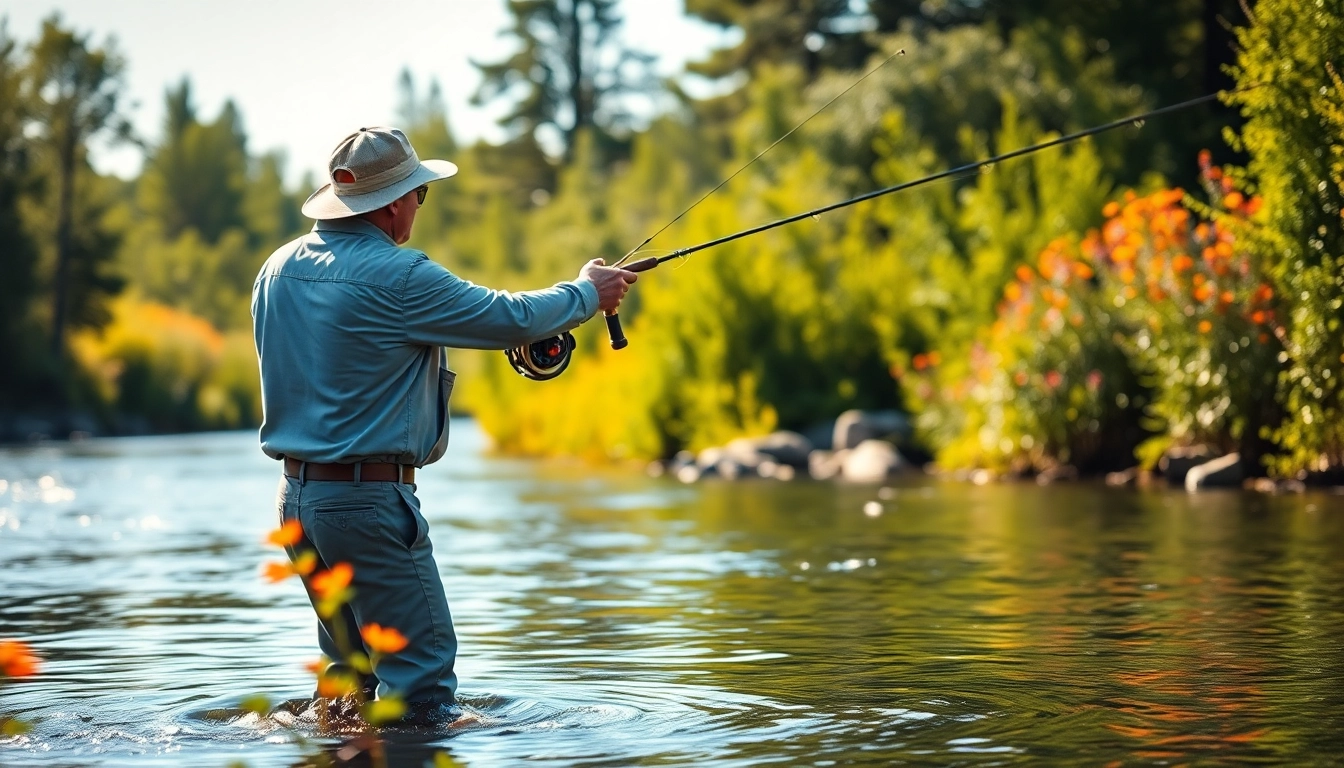
- Forward Cast: Propel the rod forward smoothly to around 10 o’clock, allowing the line to unfurl before you.
- Presentation: The ideal presentation is where your fly lands softly on the water’s surface, mimicking a natural insect landing.
Practice your casting on land before doing so over water. This ensures you understand the motion without the added pressure of catching fish.
Choosing the Right Fishing Location
Selecting the right location can dramatically enhance your fly fishing experience. Here are some factors to consider:
- Type of Water: Streams, rivers, lakes, and ponds offer different fishing experiences. New fishermen often find lakes easier due to calmer waters.
- Seasons: Summer is great for fishing near the surface, while fall is ideal for finding fish in deeper waters.
- Local Regulations: Always check local fishing regulations, as certain areas may have restrictions on fishing types or seasons.
- Accessibility: Ensure your chosen location is safe and easily accessible, especially if you’re combining your fishing adventure with hiking or camping.
Essential Strategies for Fly Fishing
Identifying the Best Flies for Beginners
As a beginner, it’s crucial to start with a few versatile flies that can be used in multiple situations. Here are some excellent choices:
- Dry Flies: These float on the surface of the water and attract fish that feed on insects. Patterns like the Adams or Parachute Hopper are effective.
- Nymphs: These are sub-surface flies that resemble juvenile insects. Nymph patterns are perfect when fish are feeding below the surface.
- Streamers: Designed to mimic minnows or other small aquatic life, streamers can be particularly effective in rivers and lakes.
Understanding Fish Behavior and Habitat
To enhance your success in fly fishing, understanding fish behavior is pivotal. Different species have specific habits and preferred conditions:
- Feeding Patterns: Fish tend to feed during low light conditions (early morning, dusk) and will often be found near structures like rocks or vegetation.
- Current: Fish often seek out areas where they can rest in the current but still have access to food.
- Water Temperature: Different species thrive at particular temperatures. Research the best conditions for your targeted species.
Reading Water Conditions Effectively
A key skill in fly fishing is the ability to read water. Here are steps to help identify productive fishing areas:
- Look for Ripples: Fast-moving water reveals where fish might be hiding.
- Observe the Surface: Watch for insects or fish movements on the surface.
- Check for Structure: Look for rocks, fallen trees, or overhanging vegetation that can serve as fish gathering spots.
Building Confidence in Your Skills
Practice Techniques for Better Casting
Enhancing your casting requires consistent practice. Consider these techniques to improve:
- Practice on the Grass: Find a grassy area to practice without the distractions of water.
- Video Tutorials: Use video resources to compare your form and technique against experienced casters.
- Enlist a Buddy: Practice with a friend. Not only can they give feedback, but they can also make practicing more enjoyable.
Common Mistakes to Avoid in Fly Fishing
Recognizing common pitfalls can save you frustration in the field. Here’s a list of mistakes to avoid:
- Rushing the Cast: Patience is essential. Taking your time ensures better technique.
- Incorrect Line Weight: Using the wrong weight for your rod can lead to poor casting and less success.
- Ignoring Environmental Conditions: Pay attention to the weather, water temperature, and other factors that can influence fish activity.
How to Maintain Your Fishing Gear
Proper maintenance of your gear is crucial to ensure longevity and performance:
- Clean Your Rod and Reel: After each fishing trip, rinse your gear with fresh water to remove dirt or salt.
- Inspect Your Line: Regularly check for frays or damage and replace as needed.
- Store Properly: Store your gear in a cool, dry place and avoid leaving it in hot cars or direct sunlight.
Enhancing the Fly Fishing Experience
Connecting with the Fly Fishing Community
Engaging with other fly fishermen can significantly enrich your experience:
- Join Local Clubs: Look for fly fishing clubs in your area for shared knowledge, events, and camaraderie.
- Attend Workshops: Many communities offer workshops that cover various aspects of fly fishing, perfect for beginners.
- Online Forums: Participate in online discussions where you can ask questions, share experiences, and gain insights.
Utilizing Online Resources for Learning
The internet is a treasure trove of resources for learning and refining your skills:
- Video Tutorials: Numerous platforms provide video tutorials covering everything from casting to tying flies.
- Blogs: Many fly fishing enthusiasts blog about their experiences, sharing insights and tips that can enhance your skills.
- Social Media: Follow accounts dedicated to fly fishing to stay updated on techniques, equipment, and community events.
Participating in Fishing Events
Engaging in local fishing competitions or events can boost your confidence and skills:
- Tournaments: Local tournaments often welcome beginners and provide opportunities to learn from experienced anglers.
- Fly Fishing Expos: Attend expos that feature new gear and techniques, allowing you to network with fellow enthusiasts.
- Charity Events: Consider participating in charity fishing events to connect with the community while supporting a good cause.
FAQs About Fly Fishing for Beginners
What is fly fishing and how is it different?
Fly fishing uses artificial flies as lures and a specialized weight-forward line to cast, differing from traditional fishing methods that rely on sinkers and hooks.
What gear do I need to start fly fishing?
Beginners should start with a fly rod, reel, line, leaders, tippet, and a selection of flies, alongside safety gear like sunglasses and a hat.
How do I choose the right fly?
Select flies based on local fish species and their feeding habits. Opt for dry flies, nymphs, or streamers for versatility as a beginner.
What are the best times to go fly fishing?
The best times to fish are during low light conditions—early morning or late afternoon—when fish are actively feeding near the surface.
How can I improve my casting technique?
Practicing on grass, watching tutorials, and receiving feedback from experienced anglers will significantly improve your casting skills.